


The transformation of traditional mopeds into e-bikes represents a fascinating and innovative opportunity, which combines the passion for historic vehicles with the modern needs of sustainable mobility. However, for this process to be safe and compliant with current regulations, it is essential to comply with certain safety standards and obtain the necessary certifications. Ambra Italy, a leader in the e-bike conversion industry, is committed to ensuring that every converted vehicle strictly complies with safety and certification regulations. This article will explore the regulations in place for converted e-bikes and how Ambra Italy ensures that each conversion complies with safety and certification standards.
Current Regulations for Converted E-Bikes
E-bikes, or pedal-assisted bicycles, must comply with specific regulations to ensure the safety of their users. In Europe, the main regulation governing e-bikes is UNI EN 15194:2018, which sets out the requirements for electric pedal-assisted cycles (EPAC). This standard includes various technical and safety aspects, which must be strictly adhered to during the transformation process.
Tests and Certifications
To ensure compliance with regulations, Ambra Italy has carried out a series of tests at ACCREDIA accredited laboratories. ACCREDIA is the single national accreditation body designated by the Italian government, in application of European Regulation 765/2008. This body attests to the competence and impartiality of the certification, inspection, verification and validation bodies, and of the testing and calibration laboratories. The tests carried out by Ambra Italy include:
1. Fatigue Test on the Frame
Based on the UNI EN 15194:2018 standard – pedal-assisted electric cycles – EPAC bicycles - Point 4.3.7.4, a fatigue test was carried out on the frame. This test is crucial to ensure that the e-bike frame can withstand prolonged use without suffering structural damage. The test simulates the stresses that the frame might experience during daily use, ensuring that the bike remains safe and reliable over time.
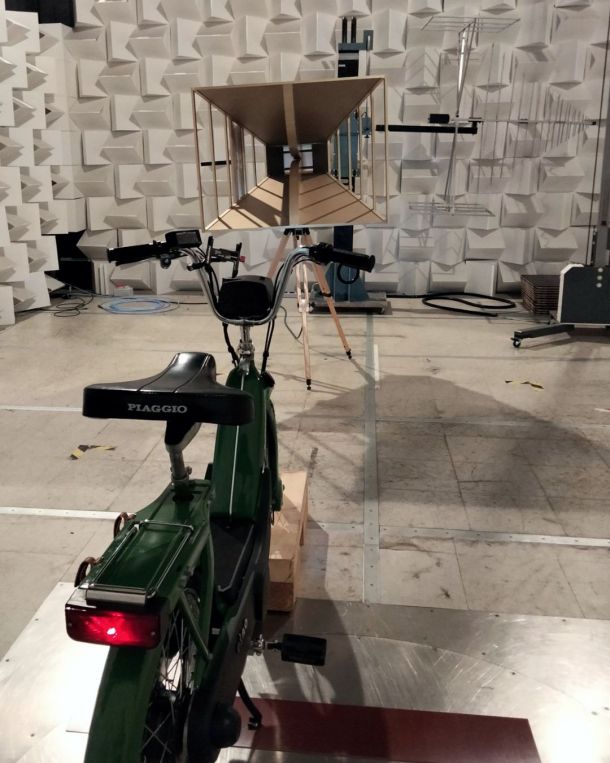
2. Electromagnetic compatibility
Another crucial aspect is electromagnetic compatibility (EMC), regulated by Appendix C of the UNI EN 15194:2018 standard. This test verifies that the electrical components of the e-bike do not interfere with other electronic devices and that they are not susceptible to external interference. Ensuring electromagnetic compatibility is essential for user safety and the proper functioning of the bike.
The Importance of Certifications
Obtaining certifications from accredited bodies such as ACCREDIA is not just a formality, but a guarantee of quality and safety for customers. The certifications attest that every e-bike transformed by Ambra Italy has been subjected to rigorous checks and tests, respecting the highest safety standards. This commitment to certification demonstrates Ambra Italy's dedication to providing high-quality products that customers can use with confidence.
Benefits for Customers and the Environment
Complying with regulations and obtaining certifications not only ensures user safety, but also contributes to environmental sustainability. Converted e-bikes represent an environmentally friendly solution for urban mobility, reducing the environmental impact compared to internal combustion vehicles. In addition, the transformation process makes it possible to give a new life to historic mopeds, avoiding the creation of waste and promoting a circular economy.
The transformation of mopeds into e-bikes is a complex process that requires technical expertise, attention to detail and a strong commitment to compliance. Ambra Italy, through rigorous tests and certifications obtained at accredited laboratories, guarantees that each converted e-bike complies with the highest safety standards. This not only ensures the safety of users, but also contributes to a more sustainable future, enhancing the historical heritage of Piaggio mopeds. Choosing an Ambra Italy e-bike means opting for a certified, safe and environmentally friendly product.
- E-BIKE TRANSFORMATION
- HISTORY OF CIAO PIAGGIO
- EVENTS
- ASSEMBLY OF KITS PURCHASED ONLINE
- OUR AUTHORIZED WORKSHOPS
- MAINTENANCE OF E-BIKES AMBRA ITALIA
- ELECTRIC MICRO-MOBILITY
- SCHOOL PROJECT: INNOVATING WITH AMBRA ITALIA
- ELEGANT AND SUSTAINABLE MOBILITY FOR RECEPTION STRUCTURES
- THE WORLD THROUGH CIAO: OUR CUSTOMERS' STORIES
- RESEARCH AND INNOVATION
- BEHIND THE SCENES OF AMBRA ITALIA
- Smart cities and vintage mobility: why the future may have roots in the past
- Differences between Ciao SC and PX series frames and impact on transformation
- The people of Ciao
- Ciao endothermic vs Ciao transformed into an e-bike: analysis of operating costs
- How to read and correctly interpret the Operating Instructions
- Because Ciao is beautiful
- Ciao Piaggio and women: a bond to tell
- Interview with a technician: what is it like to work on an electric Ciao?
- The Silence of the Myth – Pedal-Powered Emotions with an Electric Ciao
- Comparative Analysis of Environmental Impact: Ciao Piaggio Endothermic vs Ciao transformed into an E-Bike
- Safety First: Checking the Safety Systems on Ciao Transformed into E-Bikes
- The Longevity of E-Bikes: How Ambra Italia Extends the Life Cycle of the Ciao Piaggio
- The role of Ciao Piaggio transformed into an e-bike in the challenges of contemporary mobility
- Urban Efficiency: How the Ciao Piaggio transformed into E-Bikes by Ambra Italia revolutionize city spaces with style
- Navigating the Regulations: Current and Future Legislation on Electric Micro Mobility
- Post-Transformation Personalization: Opportunities and Limitations
- Ciao Restoration: Options and Tips
- Comparison between the efficiency of an internal combustion engine and an electric engine in mobility
- Building Long-Lasting Customer Relationships: Strategies for Workshops
- Electric rebirth: the Ciao Piaggio in the era of micro mobility
- Ciao Piaggio in cinema and pop culture
- Electricity System Integration: Challenges and Solutions
- Document Writing Philosophy: Everything Under Control
- Micro-Electric Mobility vs. Long-Distance Electric Mobility: Analysis and Perspectives
- The technology behind the myth: mechanical innovations of the Ciao Piaggio
- Compliance with Regulations: Safety and Certifications
- Steps towards Authorization: How to Become an Authorized Ambra Italia Workshop
- Cleaning and Care of your Ciao transformed into an E-Bike: Tips for Aesthetic Maintenance
- The Operating Instructions and Other Documents for the Assembly and Control of the Processes
- Micro Mobility and Social Responsibility: How Companies Can Make a Difference
- From work to free time: the Ciao Piaggio as a symbol of freedom
- The Materials Used
- From Niche to Mainstream: The Evolution of the Electric Micro Mobility Market
- Joining the Ambra Italia Network: Advantages and Opportunities for New Workshops
- Tests on Critical Components: battery and motor system
- Competing icons
- The Ciao and the urban mobility revolution
- E-Bike or electric motorbike? The choice of the type of transformation determines the approval
- The Role of Electric Micro-Mobility in Reducing Urban Pollution
- Collaborating to Innovate: The Flow of Information between Headquarters and Workshops
- Optimize the battery life of your Ambra Italia e-bike
- Quality Controls on Materials
- Design evolution
- Structural Problems
- Security and Micro Mobility. Standards and Recommended Practices for Electric Driving
- The Emoving Days 2024
- The components of the kit: panoramic
- Excellence in the service: Ambra Italia quality standards
- Basic maintenance of the Ambra Italia-Bike: step by step Guide for Newfits
- Keep the original design
- The future is here
- Birth of an icon