


In recent years, electric micro-mobility has revolutionized the way we move around cities, offering sustainable and innovative solutions for short journeys. However, the expansion of this sector has brought with it the need for clear regulations to ensure safety and integration with other means of transport. In this article, we will explore the current regulations (as of the date of publication of the article) governing electric micro-mobility in Italy and look at possible future evolutions.
The Current Status of Regulations
Italy has updated the regulations relating to electric micro-mobility, with particular attention to electric scooters, e-bikes, and other similar means. The most recent regulatory interventions, which came into force in 2024, aim to improve the safety of users and regulate the use of these vehicles in cities.
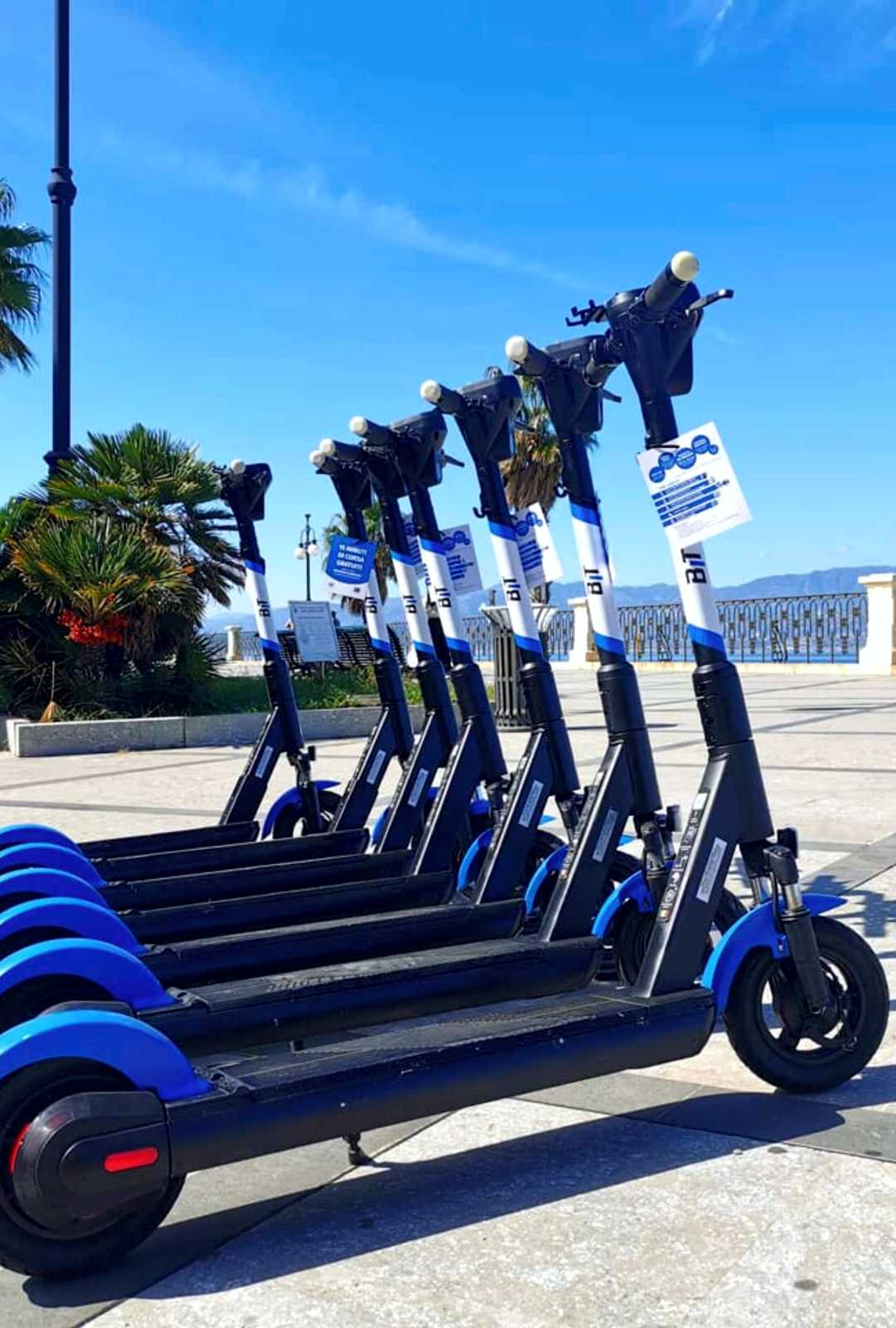
Electric Scooters
The regulatory updates of 2024 have introduced more stringent provisions:
- Speed limit: maximum 20 km/h on urban roads and 6 km/h in pedestrian areas.
- Helmet obligation: for all users, regardless of age.
- License plate and insurance: Electric scooters must be registered and insured to circulate on the road.
- Turn signals and brakes: Scooters must be equipped with directional lights and brakes on both wheels.
- Prohibition of wild parking: It is forbidden to leave scooters parked in such a way as to obstruct the passage on sidewalks or in other pedestrian areas.
These measures reflect the need to manage the exponential increase in the number of scooters on urban roads, ensuring safety for both users and pedestrians.
Electric Bikes (E-Bikes)
E-bikes, or pedal-assisted bicycles, are regulated by the UNI EN 15194:2018 standard:
- Maximum motor power: 250W.
- Maximum speed: 25 km/h.
- Motor operation: allowed only during active pedaling.
Being considered bicycles in their own right, e-bikes do not require a license plate, insurance, or license. However, any modification that allows the motor to run without active pedaling or that exceeds the permissible power classifies them as mopeds, with related regulatory obligations.
Other Micro-Mobility Vehicles (Segway, Hoverboard, Monowheel)
These vehicles must comply with specific rules defined by the municipalities:
- Permitted areas: cycle paths, parks, and pedestrian zones.
- Maximum speed: limited to 6 km/h in pedestrian areas and 20 km/h in other spaces.
Legislative Challenges and Opportunities
Despite progress, there remain areas where action is needed. For example:
- Urban infrastructure, such as cycle paths and charging points, is still insufficient in many Italian cities.
- The classification of some emerging vehicles, such as high-performance e-bikes and hybrid vehicles, needs clearer rules.
- The obligation to insure scooters has raised questions about its applicability to private vehicles and not only to shared ones.
The Future of Micro-Mobility Legislation
Predictions for the future of e-micro-mobility legislation include:
- Greater standardization of standards: To avoid discrepancies between municipal and national regulations.
- Tax incentives: To promote the purchase of sustainable vehicles and the conversion of traditional vehicles to electric.
- Infrastructure development: Upgrading of cycle paths, charging points and dedicated parking areas.
- Innovative vehicle standards: Such as long-range e-bikes or scooters with artificial intelligence.
Electric micro-mobility represents a concrete response to the environmental and logistical challenges of modern cities. However, its full potential can only be achieved through clear, uniform, and forward-looking legislation. Regulatory updates must not only address current challenges, but also anticipate future needs, creating an environment conducive to innovation and sustainability.
Ambra Italia will continue to monitor the evolution of regulations, offering compliant and updated solutions to promote more efficient and environmentally friendly mobility.
- E-BIKE TRANSFORMATION
- HISTORY OF CIAO PIAGGIO
- EVENTS
- ASSEMBLY OF KITS PURCHASED ONLINE
- OUR AUTHORIZED WORKSHOPS
- MAINTENANCE OF E-BIKES AMBRA ITALIA
- ELECTRIC MICRO-MOBILITY
- SCHOOL PROJECT: INNOVATING WITH AMBRA ITALIA
- ELEGANT AND SUSTAINABLE MOBILITY FOR RECEPTION STRUCTURES
- THE WORLD THROUGH CIAO: OUR CUSTOMERS' STORIES
- RESEARCH AND INNOVATION
- BEHIND THE SCENES OF AMBRA ITALIA
- Smart cities and vintage mobility: why the future may have roots in the past
- Differences between Ciao SC and PX series frames and impact on transformation
- The people of Ciao
- Ciao endothermic vs Ciao transformed into an e-bike: analysis of operating costs
- How to read and correctly interpret the Operating Instructions
- Because Ciao is beautiful
- Ciao Piaggio and women: a bond to tell
- Interview with a technician: what is it like to work on an electric Ciao?
- The Silence of the Myth – Pedal-Powered Emotions with an Electric Ciao
- Comparative Analysis of Environmental Impact: Ciao Piaggio Endothermic vs Ciao transformed into an E-Bike
- Safety First: Checking the Safety Systems on Ciao Transformed into E-Bikes
- The Longevity of E-Bikes: How Ambra Italia Extends the Life Cycle of the Ciao Piaggio
- The role of Ciao Piaggio transformed into an e-bike in the challenges of contemporary mobility
- Urban Efficiency: How the Ciao Piaggio transformed into E-Bikes by Ambra Italia revolutionize city spaces with style
- Navigating the Regulations: Current and Future Legislation on Electric Micro Mobility
- Post-Transformation Personalization: Opportunities and Limitations
- Ciao Restoration: Options and Tips
- Comparison between the efficiency of an internal combustion engine and an electric engine in mobility
- Building Long-Lasting Customer Relationships: Strategies for Workshops
- Electric rebirth: the Ciao Piaggio in the era of micro mobility
- Ciao Piaggio in cinema and pop culture
- Electricity System Integration: Challenges and Solutions
- Document Writing Philosophy: Everything Under Control
- Micro-Electric Mobility vs. Long-Distance Electric Mobility: Analysis and Perspectives
- The technology behind the myth: mechanical innovations of the Ciao Piaggio
- Compliance with Regulations: Safety and Certifications
- Steps towards Authorization: How to Become an Authorized Ambra Italia Workshop
- Cleaning and Care of your Ciao transformed into an E-Bike: Tips for Aesthetic Maintenance
- The Operating Instructions and Other Documents for the Assembly and Control of the Processes
- Micro Mobility and Social Responsibility: How Companies Can Make a Difference
- From work to free time: the Ciao Piaggio as a symbol of freedom
- The Materials Used
- From Niche to Mainstream: The Evolution of the Electric Micro Mobility Market
- Joining the Ambra Italia Network: Advantages and Opportunities for New Workshops
- Tests on Critical Components: battery and motor system
- Competing icons
- The Ciao and the urban mobility revolution
- E-Bike or electric motorbike? The choice of the type of transformation determines the approval
- The Role of Electric Micro-Mobility in Reducing Urban Pollution
- Collaborating to Innovate: The Flow of Information between Headquarters and Workshops
- Optimize the battery life of your Ambra Italia e-bike
- Quality Controls on Materials
- Design evolution
- Structural Problems
- Security and Micro Mobility. Standards and Recommended Practices for Electric Driving
- The Emoving Days 2024
- The components of the kit: panoramic
- Excellence in the service: Ambra Italia quality standards
- Basic maintenance of the Ambra Italia-Bike: step by step Guide for Newfits
- Keep the original design
- The future is here
- Birth of an icon