


Electric micro-mobility: a competitive advantage in Italy
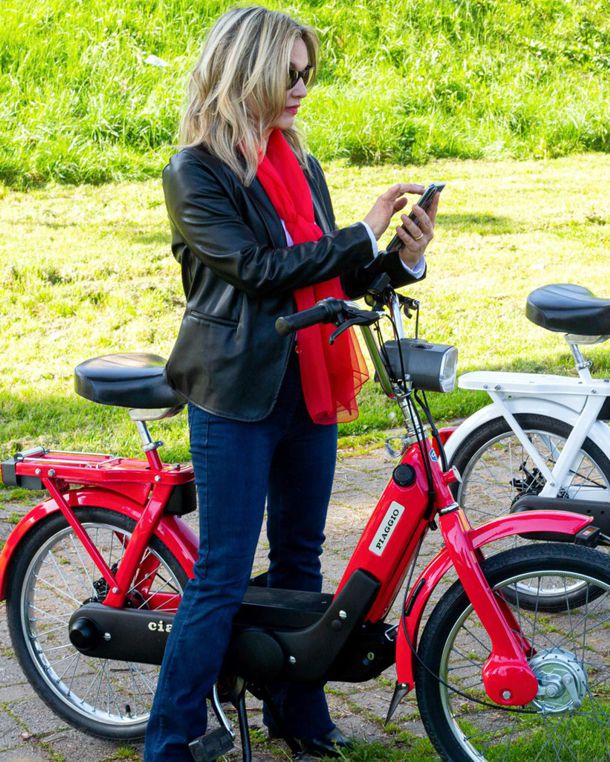
In Italy, cities are often characterized by historic centers with narrow streets and congested traffic, where electric micro-mobility vehicles, such as e-bikes, fit perfectly. These vehicles are ideal for navigating through dense urban areas, offering a transportation solution that is:
- Practical: Easy to park and manoeuvre, they can access restricted traffic areas where cars are not allowed to circulate.
- Economical: Purchase and maintenance costs are lower than larger EVs.
- Efficient: Ideal for covering short distances, reducing travel time and pollution.
Challenges of Electric Mobility over Long Distances
Infrastructure deficiencies pose a significant challenge to the deployment of electric vehicles over long distances in Italy:
- Limited Charging Points: There are still insufficient charging stations, especially in rural areas and along major highways. This creates difficulties for long journeys, where the range of the batteries can be a limiting factor.
- Charging Time: Even where charging stations are available, charging times are still too much longer than traditional refueling, requiring more careful planning of trips.
- High costs: The initial cost of purchasing EVs over long distances is still high, despite government incentives.
Solutions and Opportunities
Despite these challenges, there are significant opportunities to improve the situation and drive greater adoption of e-mobility over long distances:
- Government incentives: Increasing incentives for the purchase of electric vehicles and the installation of charging stations can stimulate the growth of the necessary infrastructure.
- Public-Private Partnerships: Collaboration between local governments, private companies, and infrastructure operators can accelerate the development of efficient charging networks.
- Technological Innovations: Advances in battery technology and fast charging systems will reduce charging times and increase the range of electric vehicles.
In conclusion, electric micro-mobility currently offers a significant competitive advantage in Italy due to the limited infrastructure for long-distance electric mobility. However, with a concerted commitment to infrastructure development and government support, long-distance electric vehicles can also become a practical and widespread reality. Both forms of electric mobility are essential for a more sustainable future and to reduce the environmental impact of transport. The main challenge will be to balance mobility solutions to meet the different needs of consumers, while simultaneously improving the infrastructure and technologies available.
Electric micro-mobility is redefining the concept of travel in Italian cities, promising to transform not only the way we move, but also the entire urban fabric. At the heart of this revolution is the immense potential to reduce pollution, improve accessibility to sustainable mobility and, consequently, raise the quality of urban life.
Imagine cities less choked by car exhaust, with quieter streets, cleaner air, and urban spaces recaptured by pedestrians and cyclists. Electric micro-mobility is not only a solution to environmental problems; It is a path to more livable cities, where every move contributes to building healthier and happier communities.
- E-BIKE TRANSFORMATION
- HISTORY OF CIAO PIAGGIO
- EVENTS
- ASSEMBLY OF KITS PURCHASED ONLINE
- OUR AUTHORIZED WORKSHOPS
- MAINTENANCE OF E-BIKES AMBRA ITALIA
- ELECTRIC MICRO-MOBILITY
- SCHOOL PROJECT: INNOVATING WITH AMBRA ITALIA
- ELEGANT AND SUSTAINABLE MOBILITY FOR RECEPTION STRUCTURES
- THE WORLD THROUGH CIAO: OUR CUSTOMERS' STORIES
- RESEARCH AND INNOVATION
- BEHIND THE SCENES OF AMBRA ITALIA
- Smart cities and vintage mobility: why the future may have roots in the past
- Differences between Ciao SC and PX series frames and impact on transformation
- The people of Ciao
- Ciao endothermic vs Ciao transformed into an e-bike: analysis of operating costs
- How to read and correctly interpret the Operating Instructions
- Because Ciao is beautiful
- Ciao Piaggio and women: a bond to tell
- Interview with a technician: what is it like to work on an electric Ciao?
- The Silence of the Myth – Pedal-Powered Emotions with an Electric Ciao
- Comparative Analysis of Environmental Impact: Ciao Piaggio Endothermic vs Ciao transformed into an E-Bike
- Safety First: Checking the Safety Systems on Ciao Transformed into E-Bikes
- The Longevity of E-Bikes: How Ambra Italia Extends the Life Cycle of the Ciao Piaggio
- The role of Ciao Piaggio transformed into an e-bike in the challenges of contemporary mobility
- Urban Efficiency: How the Ciao Piaggio transformed into E-Bikes by Ambra Italia revolutionize city spaces with style
- Navigating the Regulations: Current and Future Legislation on Electric Micro Mobility
- Post-Transformation Personalization: Opportunities and Limitations
- Ciao Restoration: Options and Tips
- Comparison between the efficiency of an internal combustion engine and an electric engine in mobility
- Building Long-Lasting Customer Relationships: Strategies for Workshops
- Electric rebirth: the Ciao Piaggio in the era of micro mobility
- Ciao Piaggio in cinema and pop culture
- Electricity System Integration: Challenges and Solutions
- Document Writing Philosophy: Everything Under Control
- Micro-Electric Mobility vs. Long-Distance Electric Mobility: Analysis and Perspectives
- The technology behind the myth: mechanical innovations of the Ciao Piaggio
- Compliance with Regulations: Safety and Certifications
- Steps towards Authorization: How to Become an Authorized Ambra Italia Workshop
- Cleaning and Care of your Ciao transformed into an E-Bike: Tips for Aesthetic Maintenance
- The Operating Instructions and Other Documents for the Assembly and Control of the Processes
- Micro Mobility and Social Responsibility: How Companies Can Make a Difference
- From work to free time: the Ciao Piaggio as a symbol of freedom
- The Materials Used
- From Niche to Mainstream: The Evolution of the Electric Micro Mobility Market
- Joining the Ambra Italia Network: Advantages and Opportunities for New Workshops
- Tests on Critical Components: battery and motor system
- Competing icons
- The Ciao and the urban mobility revolution
- E-Bike or electric motorbike? The choice of the type of transformation determines the approval
- The Role of Electric Micro-Mobility in Reducing Urban Pollution
- Collaborating to Innovate: The Flow of Information between Headquarters and Workshops
- Optimize the battery life of your Ambra Italia e-bike
- Quality Controls on Materials
- Design evolution
- Structural Problems
- Security and Micro Mobility. Standards and Recommended Practices for Electric Driving
- The Emoving Days 2024
- The components of the kit: panoramic
- Excellence in the service: Ambra Italia quality standards
- Basic maintenance of the Ambra Italia-Bike: step by step Guide for Newfits
- Keep the original design
- The future is here
- Birth of an icon