


The Piaggio Ciao is not simply a moped: it is an emblem of style and freedom that has spanned decades, imprinting itself in the heart of Italian culture and beyond. Born in the 1960s, Ciao embodied the spirit of innovation and simplicity, becoming a symbol of youth and adventure. Its essential line, combined with reliable and accessible technology, has allowed generations to experience the road in a unique way, making every journey an unforgettable memory.
Historical context:
The Ciao Piaggio, launched in 1967, marked an era, introducing a means of transport that combined practicality, reliability and an unmistakable style. This moped stood out for its lightness, making it ideal for the young and less experienced public. Its ease of use, combined with a minimalist and functional design, has helped create a strong bond with several generations, consolidating its status as an icon of urban mobility.
Comparison criteria:
To compare the Ciao Piaggio with its historical rivals, we consider the following criteria: design, performance, reliability, cultural impact and innovation. The design of the Ciao, simple but functional, distinguishes it for its accessibility and its iconic aesthetic. Performance, while modest, is balanced by great reliability, making the Ciao a practical choice for everyday mobility. Ciao's broad cultural impact reflects its role in Italian history, becoming a symbol of freedom and youth. Finally, the innovation, although limited by the regulations of the time, can be seen in its simple mechanics and in the introduction of the engine inserted into the frame cradle, in a small space, which simplified use and maintenance.
Rivals overview:
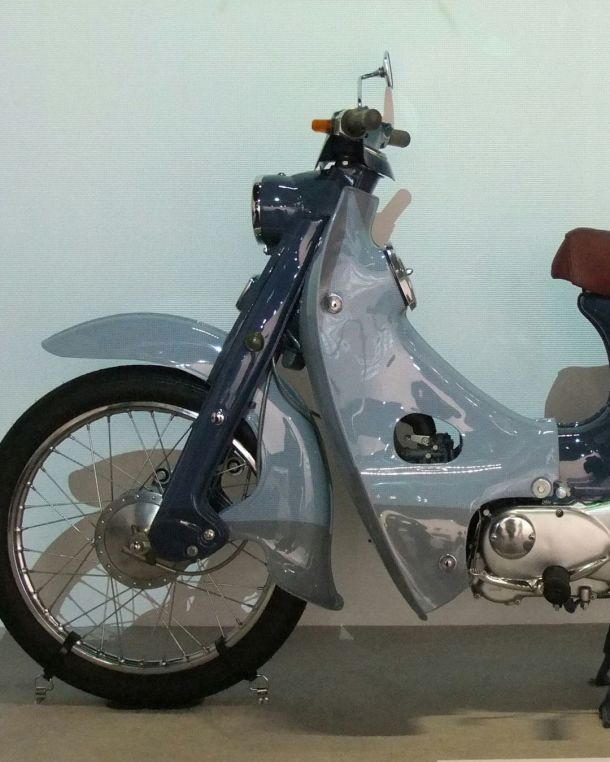
The Ciao Piaggio, launched in 1967, established itself in an already competitive market, where it was pitted against iconic brands such as the Vespa and Lambretta from Piaggio and Innocenti, respectively. During the period from 1968 to 1990, the Ciao Piaggio faced several rivals, both Italian and international. Among the models similar to the Piaggio Ciao, we should mention the CBA and the ECO, two moped models produced by Gilera from 1977 to 1989, the Aspes Sioux, the Benelli G2 and the Aprilia Partner. Internationally, the Ciao has challenged brands such as Honda, with its Cub model, Yamaha with its moped range and Peugeot with its 103 model, to give just a few examples. These vehicles represented alternatives appreciated for performance, design, and technological innovation, each with their own distinctive characteristics that made them worthy competitors in the moped market.
Legacy and modern influence:
The Ciao Piaggio legacy is deeply rooted in the scooter and motorcycle industry, having established a benchmark for design, accessibility and cultural impact. This moped has not only remained imprinted in the collective memory as a symbol of freedom and simplicity, but has also paved the way for new generations of two-wheeled vehicles. Its influence extends to the present day, with initiatives such as those of Ambra Italia, which transforms these classics into modern e-bikes. This approach not only keeps the legend of Ciao alive but projects it into the future of sustainable urban mobility, demonstrating that innovation can coexist with tradition.
The Ciao Piaggio stands out among its rivals for its unique combination of simple design, reliability, cultural impact and innovation. These elements have cemented its legacy and ensured continued relevance, evidenced by the restoration and innovation efforts of initiatives such as Ambra Italia. The transformation of these mopeds into modern e-bikes highlights a sustainable future that values the past, confirming that the Ciao remains a timeless icon in the mobility landscape.
- E-BIKE TRANSFORMATION
- HISTORY OF CIAO PIAGGIO
- EVENTS
- ASSEMBLY OF KITS PURCHASED ONLINE
- OUR AUTHORIZED WORKSHOPS
- MAINTENANCE OF E-BIKES AMBRA ITALIA
- ELECTRIC MICRO-MOBILITY
- SCHOOL PROJECT: INNOVATING WITH AMBRA ITALIA
- ELEGANT AND SUSTAINABLE MOBILITY FOR RECEPTION STRUCTURES
- THE WORLD THROUGH CIAO: OUR CUSTOMERS' STORIES
- RESEARCH AND INNOVATION
- BEHIND THE SCENES OF AMBRA ITALIA
- Smart cities and vintage mobility: why the future may have roots in the past
- Differences between Ciao SC and PX series frames and impact on transformation
- The people of Ciao
- Ciao endothermic vs Ciao transformed into an e-bike: analysis of operating costs
- How to read and correctly interpret the Operating Instructions
- Because Ciao is beautiful
- Ciao Piaggio and women: a bond to tell
- Interview with a technician: what is it like to work on an electric Ciao?
- The Silence of the Myth – Pedal-Powered Emotions with an Electric Ciao
- Comparative Analysis of Environmental Impact: Ciao Piaggio Endothermic vs Ciao transformed into an E-Bike
- Safety First: Checking the Safety Systems on Ciao Transformed into E-Bikes
- The Longevity of E-Bikes: How Ambra Italia Extends the Life Cycle of the Ciao Piaggio
- The role of Ciao Piaggio transformed into an e-bike in the challenges of contemporary mobility
- Urban Efficiency: How the Ciao Piaggio transformed into E-Bikes by Ambra Italia revolutionize city spaces with style
- Navigating the Regulations: Current and Future Legislation on Electric Micro Mobility
- Post-Transformation Personalization: Opportunities and Limitations
- Ciao Restoration: Options and Tips
- Comparison between the efficiency of an internal combustion engine and an electric engine in mobility
- Building Long-Lasting Customer Relationships: Strategies for Workshops
- Electric rebirth: the Ciao Piaggio in the era of micro mobility
- Ciao Piaggio in cinema and pop culture
- Electricity System Integration: Challenges and Solutions
- Document Writing Philosophy: Everything Under Control
- Micro-Electric Mobility vs. Long-Distance Electric Mobility: Analysis and Perspectives
- The technology behind the myth: mechanical innovations of the Ciao Piaggio
- Compliance with Regulations: Safety and Certifications
- Steps towards Authorization: How to Become an Authorized Ambra Italia Workshop
- Cleaning and Care of your Ciao transformed into an E-Bike: Tips for Aesthetic Maintenance
- The Operating Instructions and Other Documents for the Assembly and Control of the Processes
- Micro Mobility and Social Responsibility: How Companies Can Make a Difference
- From work to free time: the Ciao Piaggio as a symbol of freedom
- The Materials Used
- From Niche to Mainstream: The Evolution of the Electric Micro Mobility Market
- Joining the Ambra Italia Network: Advantages and Opportunities for New Workshops
- Tests on Critical Components: battery and motor system
- Competing icons
- The Ciao and the urban mobility revolution
- E-Bike or electric motorbike? The choice of the type of transformation determines the approval
- The Role of Electric Micro-Mobility in Reducing Urban Pollution
- Collaborating to Innovate: The Flow of Information between Headquarters and Workshops
- Optimize the battery life of your Ambra Italia e-bike
- Quality Controls on Materials
- Design evolution
- Structural Problems
- Security and Micro Mobility. Standards and Recommended Practices for Electric Driving
- The Emoving Days 2024
- The components of the kit: panoramic
- Excellence in the service: Ambra Italia quality standards
- Basic maintenance of the Ambra Italia-Bike: step by step Guide for Newfits
- Keep the original design
- The future is here
- Birth of an icon