
The educational project of Ambra Italia, in collaboration with Italian Technical and Professional Institutes, is much more than a simple technical exercise. It is a complete training experience that allows students to acquire practical and theoretical skills that are fundamental for their professional future. At the heart of the project is the transformation of the legendary Ciao Piaggio into a modern e-bike, a process that combines tradition and technological innovation, providing a unique platform for learning.
Kit Assembly: The First Practical Challenge
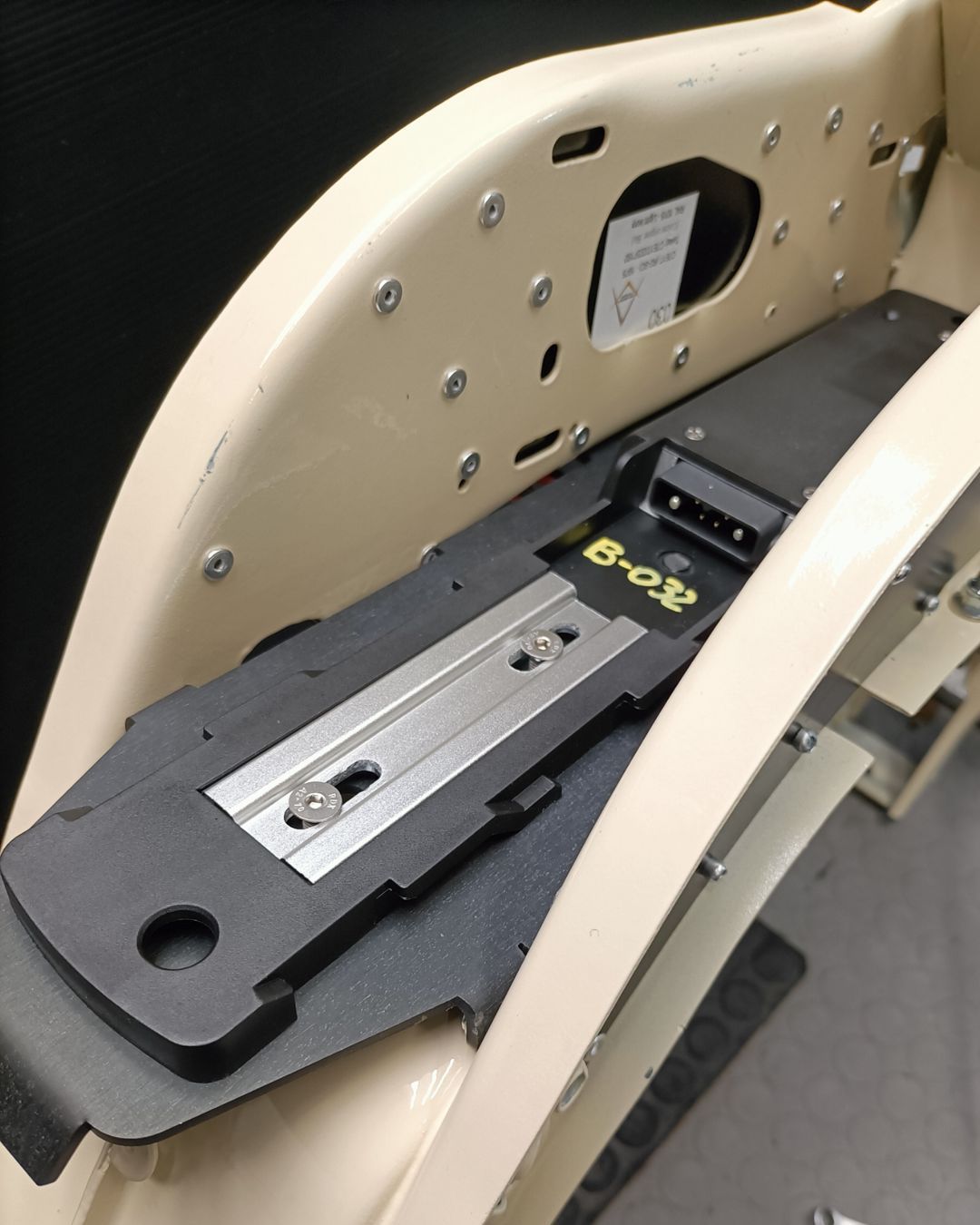
One of the central aspects of the project is the assembly of the moped-to-e-bike conversion kit. Students learn how to manage and assemble each component, from the electric motor to the battery, following the detailed instructions provided by Ambra Italia. This activity not only tests their manual skills, but introduces them to a methodical and precise approach, which is indispensable in the mechanical and engineering sector. Assembling the kit is an experience that requires attention and precision. Learning to manage every single operation allows students to develop their practical knowledge of the mechanical and plant engineering principles applied to electric mobility. Every mistake can be an opportunity to improve their understanding and hone their skills.
Technical Regulations: Safety First
The transformation of the Ciao Piaggio into an e-bike is not limited only to the physical assembly of the vehicle. Another fundamental component is the understanding of the technical regulations that govern this type of transformation, in particular the UNI EN 15194:2018 standard, which concerns pedal-assisted electric cycles (EPAC). Students learn not only how to comply with these standards, but also why these regulations are essential to ensure the safety and legal compliance of the finished product. The standard covers important aspects such as electromagnetic compatibility, the safety of electrical and mechanical components, and the resistance of frames to prolonged stress, as required by the fatigue test. Understanding the importance of these regulations gives students a comprehensive picture of the responsibilities that come with working in technical fields, such as e-mobility, and provides them with a solid foundation to operate safely and professionally in the future.
Practical Engineering and Problem Solving
One of the biggest advantages of this project is that students must deal with technical problems and produce practical solutions. During the transformation process, they may encounter unforeseen events, such as frame fit or component compatibility. Addressing these obstacles helps them develop problem-solving skills, learning to work under pressure and make effective decisions. In addition, working on a project such as the Ciao Piaggio, a vehicle that has a strong historical and cultural component, helps students develop a mindset oriented towards the enhancement of mechanical heritage, while welcoming innovation.
Entrepreneurial Skills: Beyond Technology
This project is not limited only to the technical aspect. Students are also provided with a broader view of the entrepreneurial opportunities that electric mobility can offer. They understand how an innovative product, such as the Ciao transformed into an e-bike, can be not only a sustainable vehicle, but also a business opportunity. Through this training course, they learn how historic mopeds can be reintroduced into the modern market thanks to technology, discovering the potential of sustainable mobility and the growing interest in green vehicles.
A Complete Path to the Mobility of the Future
The transformation of the Ciao Piaggio into an e-bike is just the beginning of an educational journey that offers students a complete overview of the electric mobility sector. From the practical skills acquired during the assembly of the kit, to the understanding of technical regulations, to the development of an entrepreneurial mindset, this project provides comprehensive training that prepares young technicians for a successful future, while also transforming the way they learn, combining love for the past with a concrete vision of the future of sustainable mobility.
- E-BIKE TRANSFORMATION
- HISTORY OF CIAO PIAGGIO
- EVENTS
- ASSEMBLY OF KITS PURCHASED ONLINE
- OUR AUTHORIZED WORKSHOPS
- MAINTENANCE OF E-BIKES AMBRA ITALIA
- ELECTRIC MICRO-MOBILITY
- SCHOOL PROJECT: INNOVATING WITH AMBRA ITALIA
- ELEGANT AND SUSTAINABLE MOBILITY FOR RECEPTION STRUCTURES
- THE WORLD THROUGH CIAO: OUR CUSTOMERS' STORIES
- RESEARCH AND INNOVATION
- BEHIND THE SCENES OF AMBRA ITALIA
- Differences between Ciao SC and PX series frames and impact on transformation
- The people of Ciao
- Ciao endothermic vs Ciao transformed into an e-bike: analysis of operating costs
- How to read and correctly interpret the Operating Instructions
- Because Ciao is beautiful
- Ciao Piaggio and women: a bond to tell
- Interview with a technician: what is it like to work on an electric Ciao?
- The Silence of the Myth – Pedal-Powered Emotions with an Electric Ciao
- Comparative Analysis of Environmental Impact: Ciao Piaggio Endothermic vs Ciao transformed into an E-Bike
- Safety First: Checking the Safety Systems on Ciao Transformed into E-Bikes
- The Longevity of E-Bikes: How Ambra Italia Extends the Life Cycle of the Ciao Piaggio
- The role of Ciao Piaggio transformed into an e-bike in the challenges of contemporary mobility
- Urban Efficiency: How the Ciao Piaggio transformed into E-Bikes by Ambra Italia revolutionize city spaces with style
- Navigating the Regulations: Current and Future Legislation on Electric Micro Mobility
- Post-Transformation Personalization: Opportunities and Limitations
- Ciao Restoration: Options and Tips
- Comparison between the efficiency of an internal combustion engine and an electric engine in mobility
- Building Long-Lasting Customer Relationships: Strategies for Workshops
- Electric rebirth: the Ciao Piaggio in the era of micro mobility
- Ciao Piaggio in cinema and pop culture
- Electricity System Integration: Challenges and Solutions
- Document Writing Philosophy: Everything Under Control
- Micro-Electric Mobility vs. Long-Distance Electric Mobility: Analysis and Perspectives
- The technology behind the myth: mechanical innovations of the Ciao Piaggio
- Compliance with Regulations: Safety and Certifications
- Steps towards Authorization: How to Become an Authorized Ambra Italia Workshop
- Cleaning and Care of your Ciao transformed into an E-Bike: Tips for Aesthetic Maintenance
- The Operating Instructions and Other Documents for the Assembly and Control of the Processes
- Micro Mobility and Social Responsibility: How Companies Can Make a Difference
- From work to free time: the Ciao Piaggio as a symbol of freedom
- The Materials Used
- From Niche to Mainstream: The Evolution of the Electric Micro Mobility Market
- Joining the Ambra Italia Network: Advantages and Opportunities for New Workshops
- Tests on Critical Components: battery and motor system
- Competing icons
- The Ciao and the urban mobility revolution
- E-Bike or electric motorbike? The choice of the type of transformation determines the approval
- The Role of Electric Micro-Mobility in Reducing Urban Pollution
- Collaborating to Innovate: The Flow of Information between Headquarters and Workshops
- Optimize the battery life of your Ambra Italia e-bike
- Quality Controls on Materials
- Design evolution
- Structural Problems
- Security and Micro Mobility. Standards and Recommended Practices for Electric Driving
- The Emoving Days 2024
- The components of the kit: panoramic
- Excellence in the service: Ambra Italia quality standards
- Basic maintenance of the Ambra Italia-Bike: step by step Guide for Newfits
- Keep the original design
- The future is here
- Birth of an icon